


Our Story
Our Passion for Sustainability
Our Soil Health Commitment
No Soil Disturbance
Crops grown in a no-dig environment. Soil health is the focus of everything we do.
Diversity
Plants thrive on diversity. No mono-cultures grown here.
Ground Cover
Nature hates to see an open patch of soil - and it tends to put a weed there. We get there first with plants that increase soil health.
Living Roots at all Times
With our system, we can grow year-round with no additional hydrocarbon inputs.
Animal Integration
Chickens in the Greenhouse? Yes please! These omnivores love all the things we want away from our plants, like bugs.
Sustainability
Our system ensures that all food grown is carbon negative and picked the same day it hits the grocery store shelves.
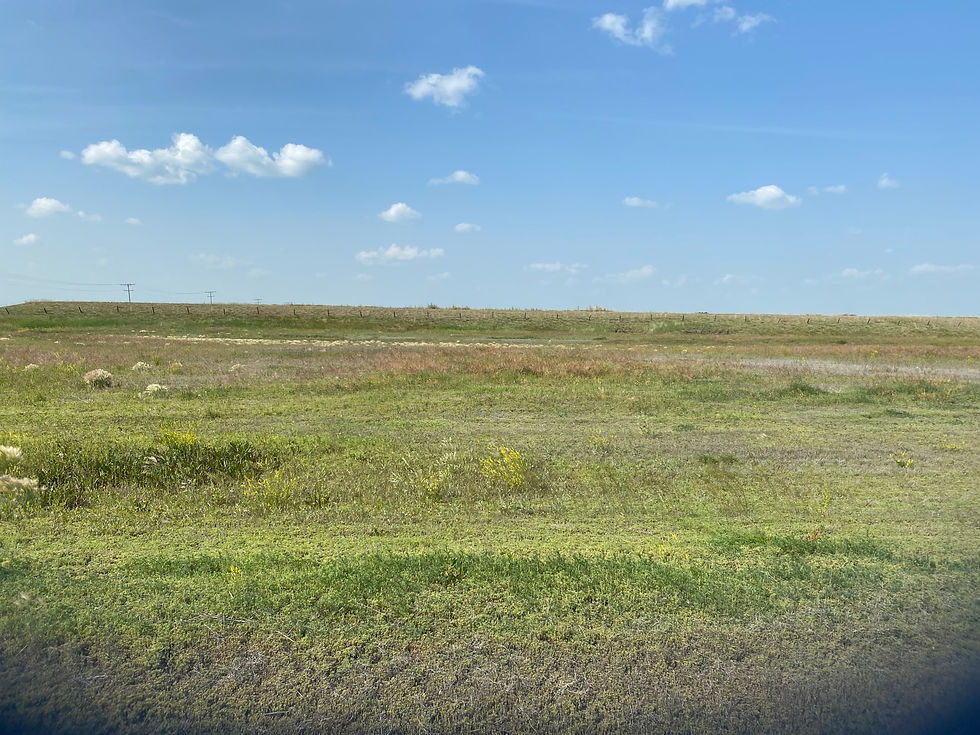
Photograph of the land allocated for this project
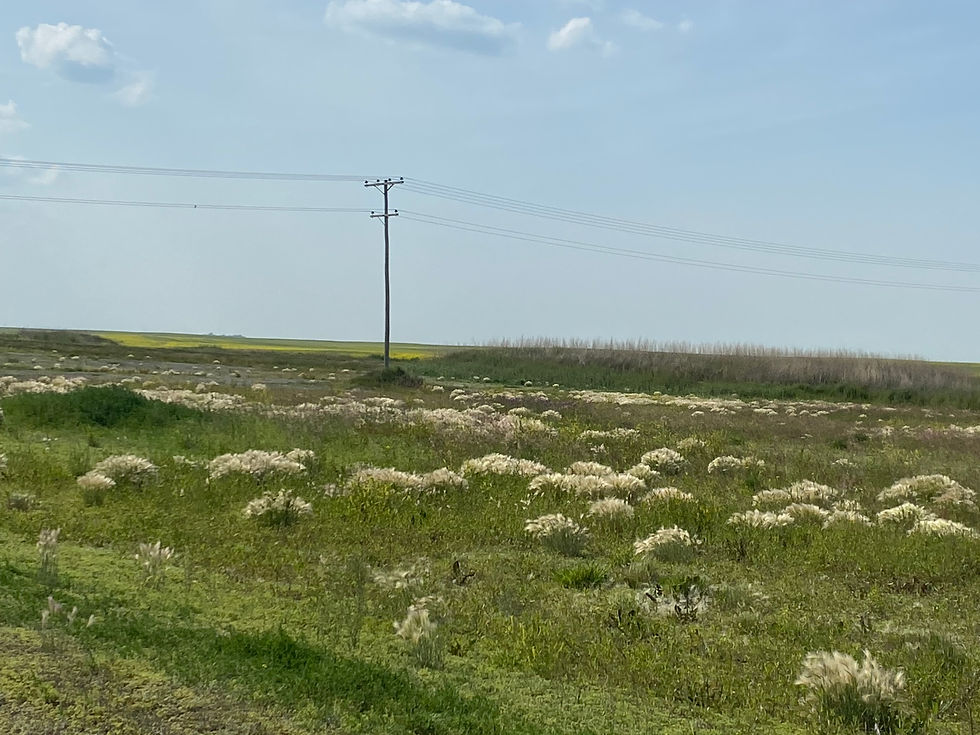
Photograph of the land allocated for this project

Photograph of the land allocated for this project
Photograph of the land allocated for this project
Gallery
Explore Our Project Site Photos
Testimonials
"Great example of innovation by and for rural residents!"
–Gordon More
Programs
Verdant Acres has taken part in Foresight's Kickstart and Investor Readiness programs
FAQs
What is pyrolysis?
It's basically burning without oxygen. Everything but the carbon is gasified and what you're left with is a lump of char. Charcoal, activated charcoal. These are all made with the same process.
What do you do with char?
Char (or biochar) is amazing stuff! It has an affinity for the gases that surround it so it can absorb methane and carbon dioxide. If it's in the soil, it can also hold water. So farmers don't need to irrigation as much and your lawn can absorb more water. It was first made by Amazonian Indigenous people and it contributes to the diversity and health of the ecosystem.
A lot of pyrolysis systems also produce biofuel or biodiesel. Will you be doing that?
The biofuels can really only be collected on large systems. This system is much too small. They are collected but they will be burned to help the process be self-sustaining. This way the nasty fumes aren't released and there aren't any hydrocarbons required to keep the system going.
We already have food in the grocery store, why do we need a greenhouse?
Challenge for people who are interested–take a look at where the country of origin is next time you are about to buy strawberries in the store. My food travels way more than I do–and that's not the way it should be.
Ok, so we should grow food closer to where it is consumer. But does it need to be just outside of town?
If you've ever had the glorious opportunity to visit a garden and eat a tomato fresh off the vine, you might already know the answer. The food is SO. MUCH. BETTER. when picked just before it's eaten. You'll be hooked from the first bite.
How does the greenhouse operate year-round?
We're going to take all the learnings from passive greenhouses and add in some engineering principles about heat transfer and collection. Waste heat is just sitting waiting to be used. Why not use it?
Contact Us
Interested in learning more about greenhouse initiatives or have feedback to share? Reach out to us, and we will respond to your inquiries as soon as possible.